
Introduction to Orthodontic Treatments
Many people want a straight, healthy smile. Today, there are several teeth straightening solutions. Two popular options are invisible aligners and metal braces. In this blog, we compare invisible aligners vs metal braces. We will help you choose the best orthodontic option for your needs. According to the American Association of Orthodontists, both treatments can improve dental health and appearance.
What Are Invisible Aligners?
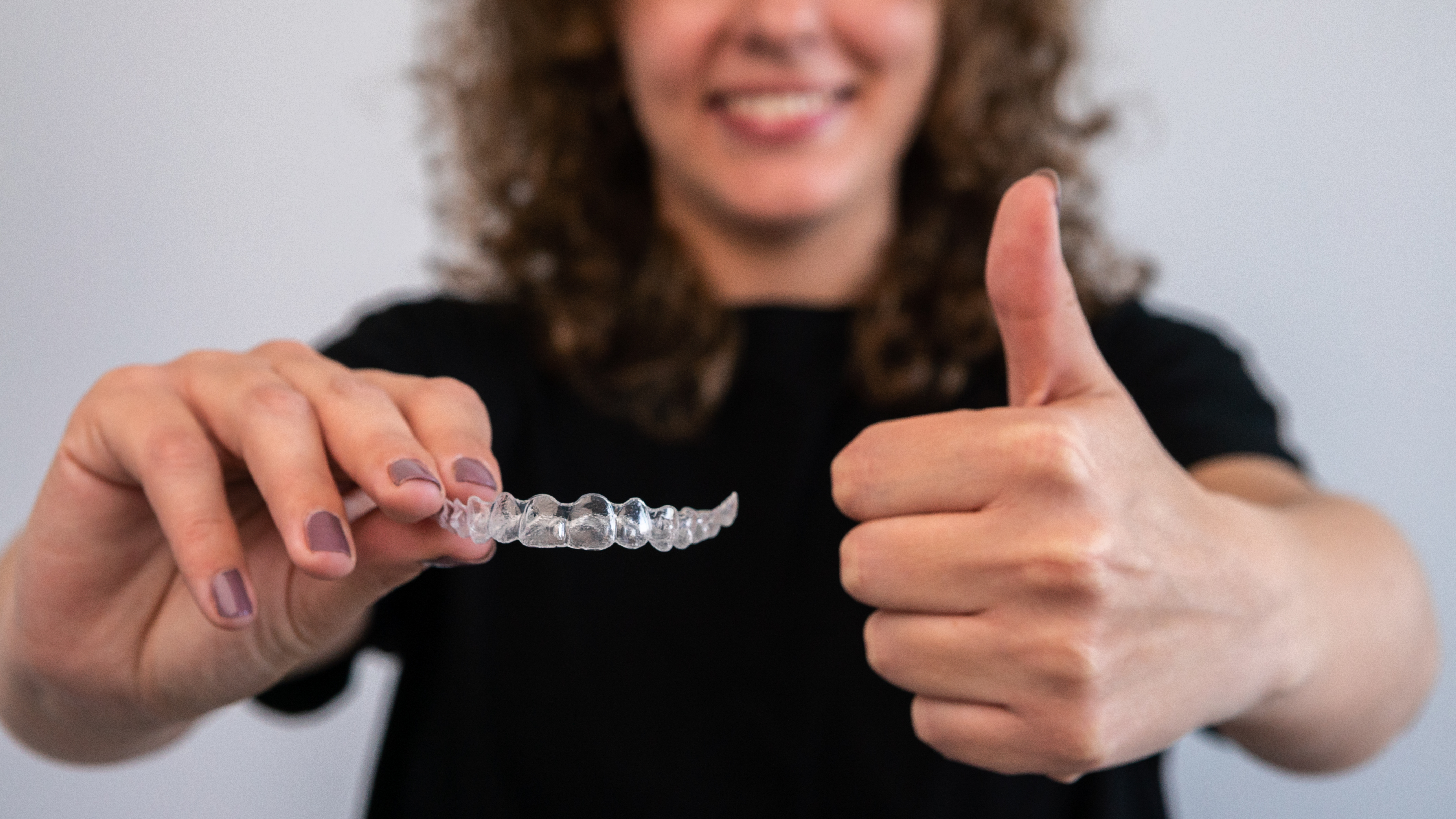
Invisible aligners are clear, plastic trays that fit over your teeth. They gently move teeth into the right position. You wear each set of aligners for about two weeks. After that, you switch to the next set. Because they are clear, most people will not notice them. Popular brands include Invisalign and ClearCorrect. You can remove aligners when eating or brushing your teeth. However, you must wear them for 20 to 22 hours a day for best results.
What Are Metal Braces?
Metal braces are the traditional way to straighten teeth. They use metal brackets and wires attached to your teeth. Your orthodontist adjusts the wires to move your teeth over time. Metal braces are fixed, so you cannot remove them until treatment ends. While they are more noticeable, they are very effective for many dental problems. Metal braces have been used safely for decades.
Key Differences: Appearance, Comfort, Effectiveness, Cost, and Maintenance
When choosing between clear aligners vs traditional braces, it helps to know the main differences. Let’s look at each factor:
Pros and Cons of Invisible Aligners
Invisible aligners are a popular teeth straightening solution. However, they have both advantages and drawbacks.
Pros and Cons of Metal Braces
Metal braces remain a trusted choice for many. Yet, they also have pros and cons to consider.
How to Choose: Factors to Consider
Choosing the best orthodontic option depends on your needs. Here are some things to think about:
For example, if you want a discreet look, aligners may suit you. But if you have complex dental issues, braces might work better. Always talk to a licensed orthodontist before deciding.
Frequently Asked Questions
Conclusion and Next Steps
Both invisible aligners and metal braces can help you achieve a straight, healthy smile. Each has unique benefits and drawbacks. Therefore, it is important to consider your needs and talk to a professional. Consult a licensed orthodontist to find the best teeth-straightening solution for your needs.