Introduction to Dental Caries
Dental caries, also known as tooth decay or cavities, are common oral health problems. They affect people of all ages. In fact, the World Health Organization (WHO) reports that dental caries are among the most widespread chronic diseases worldwide. Early detection and proper care can help prevent serious dental issues. Because dental caries can lead to pain and tooth loss, it is important to understand their causes, symptoms, and prevention.
Causes of Dental Caries
Dental caries develop when bacteria in the mouth produce acids. These acids break down the tooth’s hard surface, called enamel. Over time, this process creates holes or cavities. Several factors increase the risk of dental caries. For example, eating sugary foods and drinks feeds harmful bacteria. Poor dental hygiene also allows plaque to build up. In addition, dry mouth and certain medical conditions can raise your risk.
Symptoms of Dental Caries
Dental caries may not cause pain at first. However, as the cavity grows, you may notice symptoms. Early treatment can help prevent further damage. Watch for these common signs:
If you notice any of these symptoms, see a dentist soon. Early care can save your tooth.
Diagnosis of Dental Caries
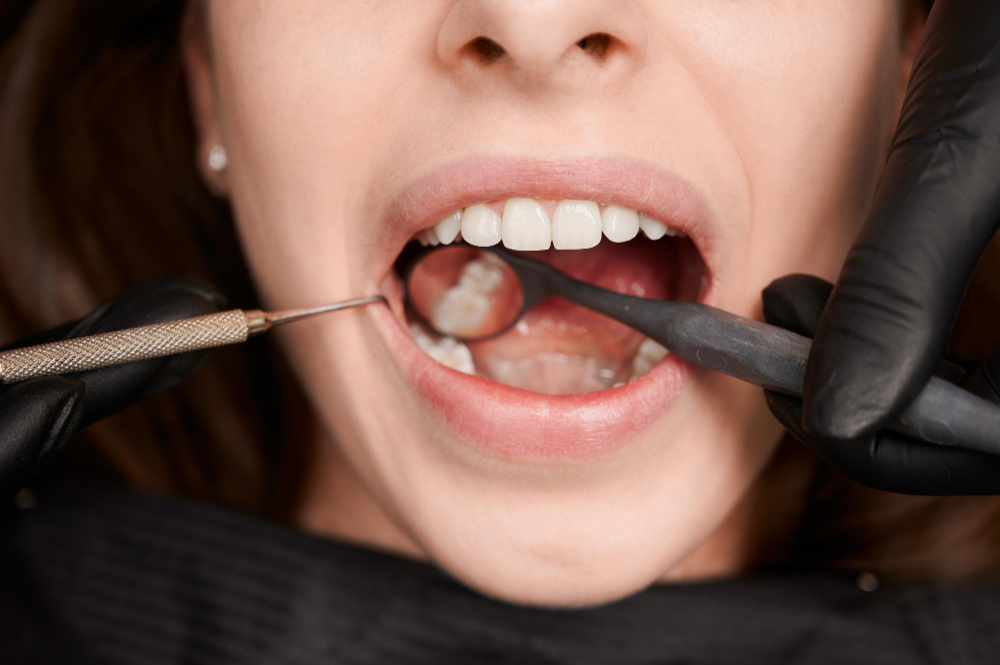
Dentists use several methods to find dental caries. First, they will ask about your symptoms and dental habits. Next, they will examine your teeth and gums. Sometimes, dentists use special tools to check for soft spots. In many cases, dental X-rays help spot cavities that are hard to see. Early diagnosis makes treatment easier and more effective.
Treatment Options for Dental Caries
Treatment depends on how much the tooth is damaged. For small cavities, dentists often use fillings. This involves removing the decayed part and filling the hole with a safe material. If the decay is deeper, a crown may be needed to cover and protect the tooth. In severe cases, a root canal or even tooth removal may be necessary. Your dentist will explain the best option for you.
Prevention Tips for Dental Caries
Preventing dental caries is easier than treating them. Good oral hygiene and healthy habits make a big difference. Try these tips to keep your teeth strong:
Lifestyle and Oral Hygiene Guidance
Healthy habits support strong teeth and gums. For instance, eating a balanced diet helps your body fight infection. In addition, chewing sugar-free gum can boost saliva flow. Always use a soft-bristled toothbrush and replace it every three months. If you smoke or use tobacco, try to quit. Tobacco use increases your risk for dental caries and gum disease.
Frequently Asked Questions
Can dental caries heal on their own?
No, dental caries do not heal by themselves. However, early-stage decay can sometimes be stopped with fluoride and better oral care. See your dentist for advice.
Are children more at risk for dental caries?
Yes, children and teens are at higher risk. Their teeth are still developing, and they may eat more sugary foods. Regular dental visits and good habits help protect young teeth.
How often should I visit the dentist?
Most people should visit the dentist every six months. However, your dentist may suggest more frequent visits if you have a higher risk of dental caries.
For more information, visit trusted sources like the CDC or WHO.
Consult a dentist for personalized advice and early treatment of dental caries.